Overview
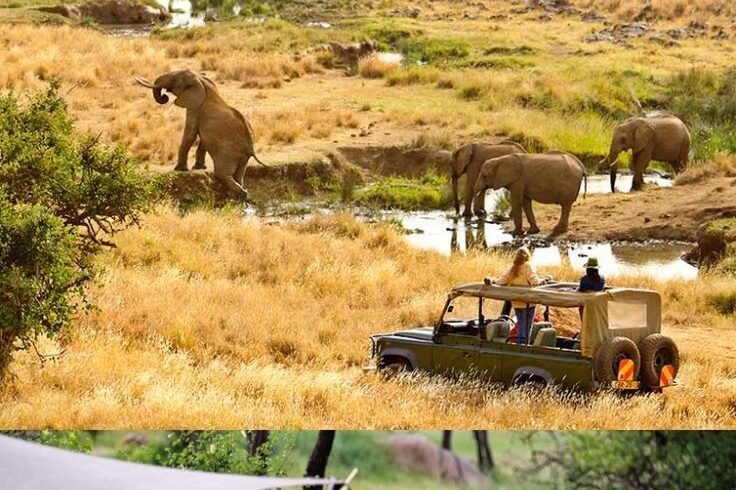
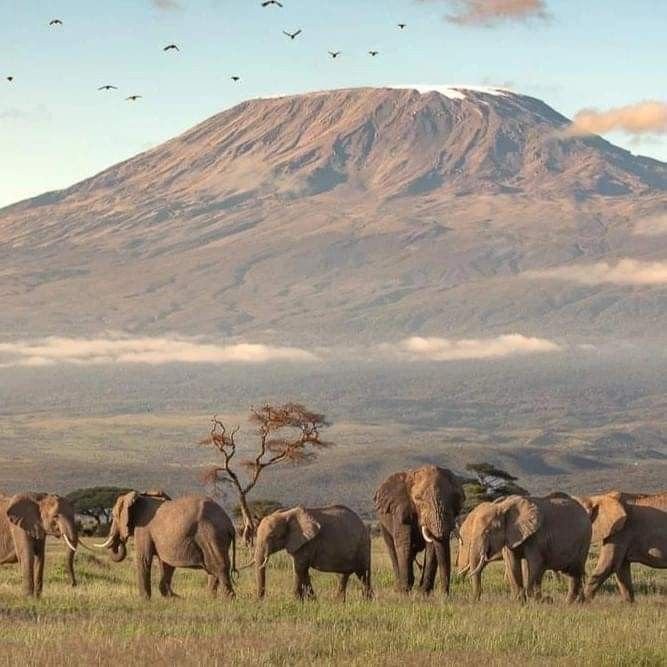
This 4-day safari to Amboseli National Park offers spectacular wildlife viewing set against the breathtaking backdrop of Mount Kilimanjaro, Africa’s highest mountain. Amboseli is famous for its large elephant herds and open plains that provide excellent visibility for wildlife photography.
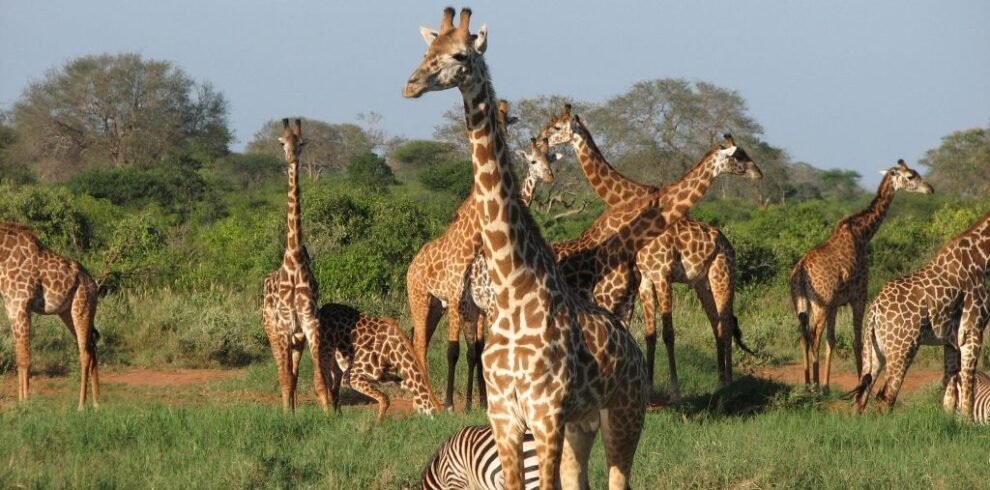
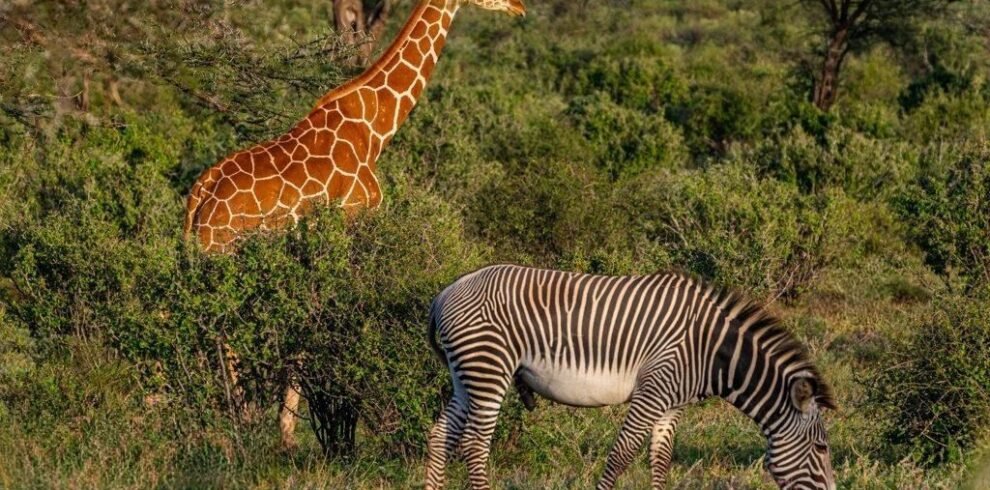
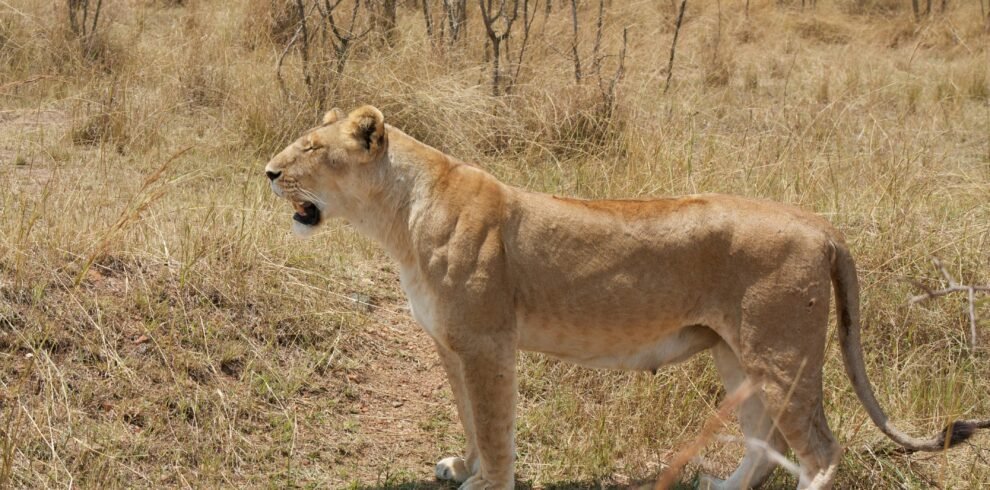
The park’s unique ecosystem includes swamps fed by underground rivers from Mount Kilimanjaro, attracting a wide range of animals including buffalo, lions, cheetahs, giraffes, and numerous bird species.
Highlights
- Spectacular views of Mount Kilimanjaro
- Large elephant herds
- Excellent wildlife photography opportunities
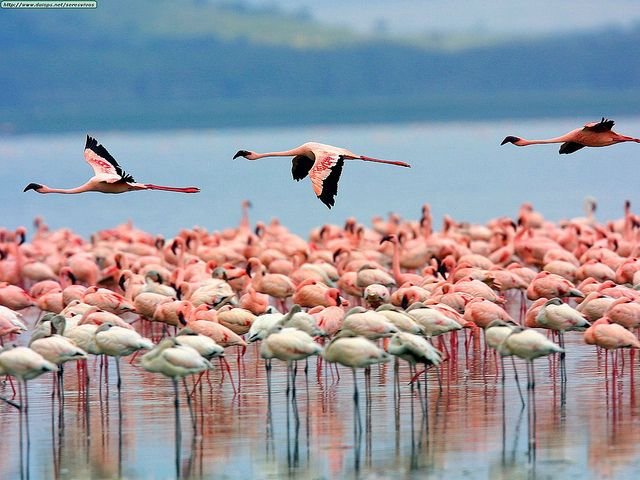
- Diverse birdlife and scenic landscapes
- Relaxing lodge experiences
Itinerary
A 4-day journey to Amboseli National Park is designed around the rhythmic movement of the park’s legendary elephant herds and the shifting visibility of Mount Kilimanjaro. The experience is defined by a transition from the bustling urban energy of Nairobi to the vast, dusty plains of the south, where the landscape is dominated by the highest peak in Africa.
The adventure begins with a scenic five-hour drive south from the capital, transitioning from urban bustle to the open savanna of Maasai land. Upon arrival and after a refreshing lunch, you will head out for an afternoon game drive across the iconic "salty dust" plains. This initial exploration offers your first glimpses of the park’s legendary elephant herds against the shimmering horizon. As the sun sets, the massive silhouette of Mount Kilimanjaro often emerges from the clouds, providing a dramatic backdrop for your first evening in the wild.
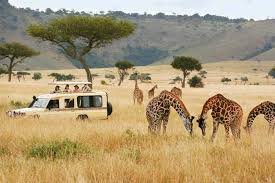
This day is dedicated to the rhythmic pulse of the African bush, starting with a sunrise drive when predators like lions and cheetahs are most active. You will traverse diverse landscapes, from the golden grasslands to the yellow-fever acacia woodlands where giraffes and waterbucks seek shade. A highlight includes a visit to Observation Hill, where a short climb rewards you with a panoramic view of the entire ecosystem. The afternoon drive allows for deeper exploration of the park's hidden corners, following the movement of migratory grazers across the plains.
Focusing on the park's permanent lifeblood, this day centers on the lush Enkongo Narok and Longinye Swamps fed by Kilimanjaro’s melting snow. These emerald-green wetlands create a stunning contrast with the arid surroundings and serve as a central gathering point for hippos and "red" elephants wading deep into the reeds. It is a premier day for photography, capturing vibrant birdlife and intimate social interactions among the elephant families. The slow pace allows you to appreciate the intricate details of the marshland ecology and the vast diversity of species it supports.
After a final breakfast overlooking the plains, you will bid farewell to the "Land of Giants" with a slow drive toward the park gate. This exit journey serves as a final "bonus" game drive, offering one last chance to spot any elusive species or capture a parting photo of the mountain. The drive back to Nairobi provides a period of reflection as the wilderness gradually gives way to the familiar sights of the city. You will arrive in the afternoon, carrying the serene energy of the savannah back to the capital.
Cost Includes
- Accommodation
- Park entry fees
- Transport
- Professional guide
- Meals
- Game drives
Cost Excludes
- Flights
- Visa fees
- Personal expenses
- Optional activities
Frequently Aske Questions(FAQs)
The most reliable window to view the mountain is at dawn and in the very early morning. While Kilimanjaro towers over the park, it is often shrouded in thick cloud cover by 9:00 AM as the sun warms the atmosphere. The clouds typically begin to dissipate again in the late afternoon, often revealing the snow-capped peak just before sunset. For the clearest, unobstructed views and the best photography lighting, plan to be out on a game drive by 6:30 AM.
While the elephants are naturally grey, they frequently appear a striking reddish-brown color due to their dust-bathing habits. The soil in certain areas of the park is rich in volcanic nutrients and iron-oxide; the elephants spray this dry earth over their skins to act as a natural sunscreen and a repellent against parasites. When they move into the park’s emerald-green swamps to drink and bathe, the contrast between their “painted” red skin and the lush vegetation creates one of the most iconic sights in the African wilderness.